


Table Of Content
- PART 2: The Interactive Timeline
- The Garage
- Hello, Macintosh
- 1,000 Songs
- The iPhone Moment
- Spatial Computing
- Your legacy. Visualized.
- The Lesson: Integration is Everything
- PART 4: FAQ Section
- Deep Dive: The Untold Details
- Why was the 1984 Macintosh launch so significant?
- What is "Spatial Computing"?
- Who created this visual timeline?
It started with a soldering iron in a Los Altos garage. It became the most valuable company in human history.
Apple visual timeline stories usually focus on products—but this one focuses on something deeper: design as strategy.
The story of Apple Inc. is the ultimate case study in the intersection of technology and liberal arts. While competitors focused on processor speeds and specs, Steve Jobs and Steve Wozniak focused on something far more dangerous: Emotion.
From the rebellious “1984” launch of the Macintosh to the pocket-sized revolution of the iPhone, Apple didn’t just build products; they architected cultural shifts. They taught the world that a computer could be beautiful, a phone could be smart, and a headset could replace a television.
Think Different. Scroll down to experience the visual evolution of the design philosophy that conquered the world.
PART 2: The Interactive Timeline
THINK
DIFFERENT.
The evolution of the world’s most valuable design.

The Garage
Jobs and Wozniak. A circuit board named Apple I. The revolution began in Los Altos with $1,300 in capital.

Hello, Macintosh
The computer for the rest of us. With the Macintosh, Apple introduced the mouse and GUI, killing the command line.

1,000 Songs
The iPod changed music forever. It wasn’t just a player; it was an ecosystem that shifted Apple to a lifestyle brand.
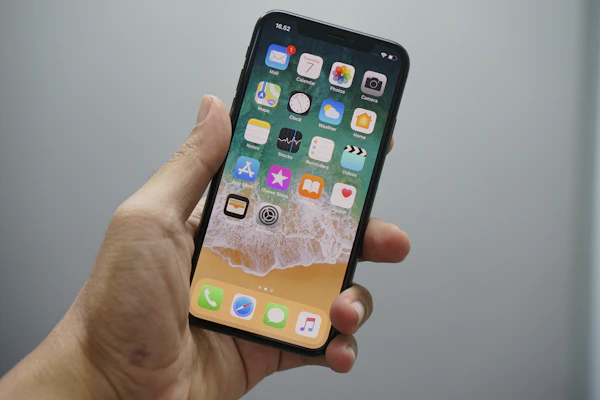
The iPhone Moment
Steve Jobs introduced a phone, an iPod, and a communicator. “These are not three separate devices.”

Spatial Computing
Status: With Vision Pro, the future isn’t mobile; it’s spatial. The canvas is the world around you.
The Lesson: Integration is Everything
Apple's victory wasn't just about hardware specs; it was about the Ecosystem. They understood early on that the magic happens when hardware, software, and services are woven together so tightly that they become invisible.
From the 1984 Macintosh that introduced the mouse to the 2024 Vision Pro that removes the screen entirely, the philosophy remains the same: Technology should not be a tool you struggle with; it should be an extension of your mind.
At Webverbal Originals, we believe that the story of design deserves to be designed, not just written.
PART 4: FAQ Section
Deep Dive: The Untold Details
Why was the 1984 Macintosh launch so significant?
Before the Macintosh, personal computers relied on complex command-line interfaces (like MS-DOS). The Mac democratized computing by introducing the Graphical User Interface (GUI) and the mouse, making technology intuitive for non-engineers and creatives.
What is "Spatial Computing"?
Spatial Computing is Apple's term for the technology powering the Apple Vision Pro. Unlike Virtual Reality (VR) which isolates the user, Spatial Computing blends digital content seamlessly with the physical world, allowing navigation via eyes, hands, and voice.
Who created this visual timeline?
This interactive experience was engineered by Webverbal Studio, our dedicated design arm that turns corporate histories and professional journeys into cinematic digital assets.