
Table Of Content
- The Shrimp Here.
- India can grow the shrimp. The harder problem is everything around it.
- The problem became visible from the ground.
- Why these people?
- Abhishek Dwivedy
- Abhilash Dwivedy
- From advisory to a wider operating model.
- Not just software. An operating layer.
- Farm intelligence
- Aquapreneur model
- Global access
- The pond is only the beginning.
- Then came the ₹45 crore signal.
- Advisory at the farm level
- Advisory became a platform
- ₹45 crore funding
- The story has evidence.
- Scaling the system is harder than building it.
- What happens after the pond?
- Aquapulse is increasingly moving towards the parts of the value chain where quality, processing and market access determine the final value of the shrimp.
- The interesting story is bigger than shrimp.
- This is not only aquatech.
- The moat may be operational.
- The small farmer is the platform.
- A global business can begin locally.
- The story is only the beginning.
- The Story
- The Startup
- Discover the story. Meet the startup.
The Shrimp
Here.
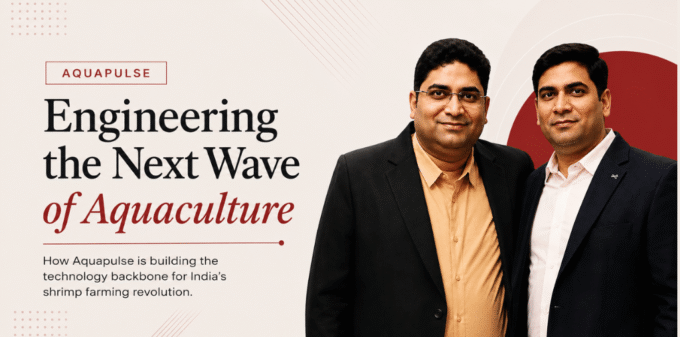
How Bhubaneswar-based Aquapulse is trying to reshape the shrimp value chain — from pond-level technology to organised markets.
India can grow
the shrimp.
The harder problem is everything around it.
India has built a significant seafood export industry, but a large part of shrimp production still comes from small and fragmented farms.
For these farmers, the challenge is rarely limited to producing shrimp. Technology adoption, disease management, quality, aggregation, pricing, traceability and access to organised buyers all sit around the farm.
That fragmentation creates a difficult contradiction: the farmer may produce a globally valuable commodity, while remaining disconnected from much of the value chain that determines what happens after harvest.
The opportunity was not simply to make the pond smarter. It was to make the entire journey more connected.
The problem
became visible
from the ground.
While studying fisheries science at Odisha University of Agriculture and Technology, Abhishek Dwivedy began questioning why India, despite its coastline and maritime ecosystem, captured only a small share of the global seafood market.
His subsequent experience across procurement, processing, quality management and exports — followed by work with thousands of farmers through Solidaridad Network — exposed the problem from another angle.
Farmers were creating value. But the system around them was not capturing enough of it.
“Technology alone couldn’t have solved that. It had to be accompanied by a physical presence on the ground.” — Abhishek Dwivedy
Why these
people?
Aquapulse emerged from deep familiarity with the aquaculture and seafood ecosystem rather than from technology looking for a problem.
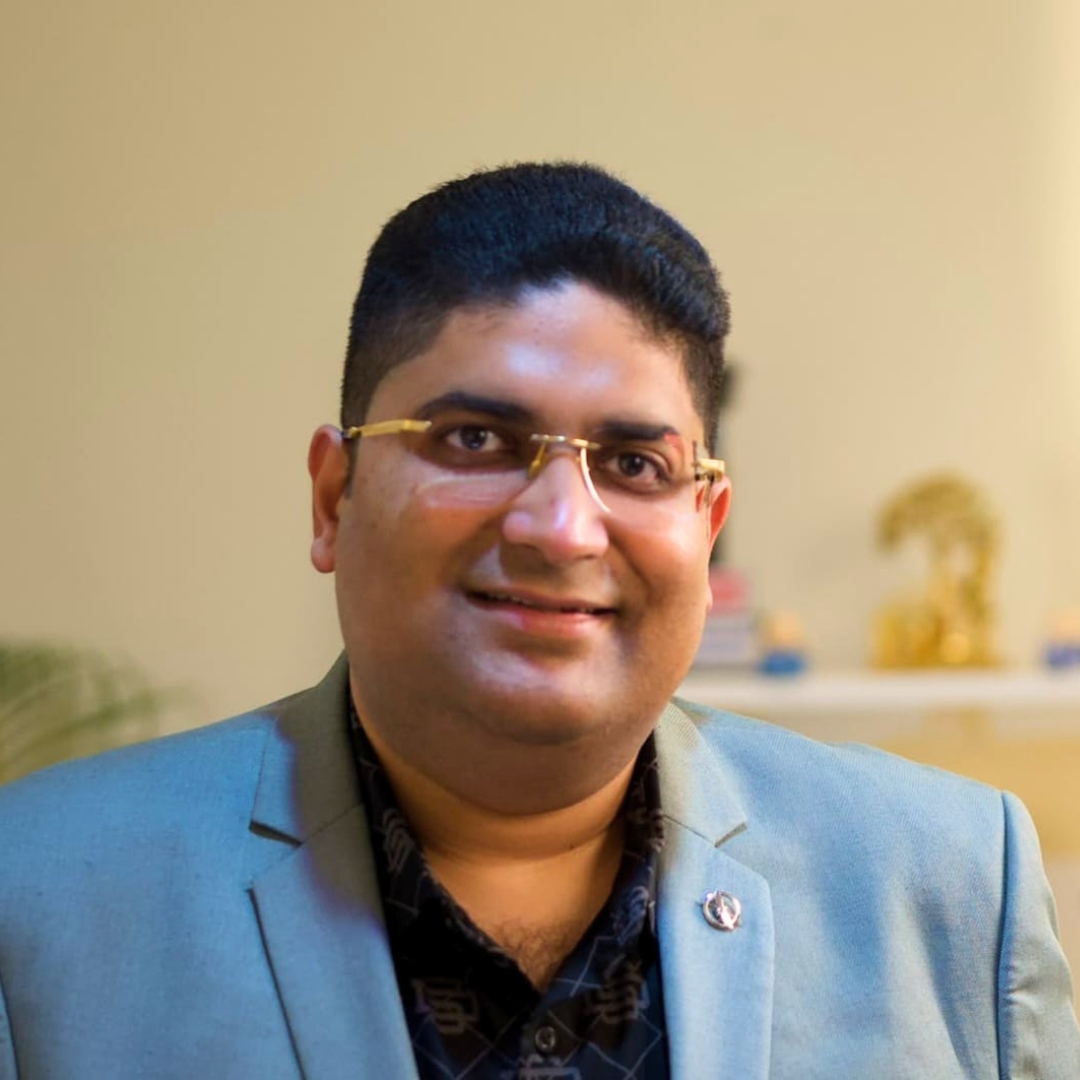 Co-Founder · MD · CEO
Abhishek Dwivedy
A fisheries graduate whose experience across the seafood value chain and work with farmers helped expose the structural gap between farm-level production and downstream value capture.
Abhilash Dwivedy
After more than a decade of experience with organisations including Syngenta, Bayer Crop Science and FMC, Abhilash returned to Bhubaneswar to help build the venture.
The founder-market fit was not theoretical. It was built through field exposure.
From advisory
to a wider
operating model.
Aquapulse initially took shape as a shrimp advisory effort in coastal Odisha. Working with roughly 300–400 farmers, the early focus was straightforward: better aquaculture practices and export-grade shrimp.
But the problem did not stop at cultivation.
The model evolved towards a broader platform combining advisory, aggregation and market linkage.
Not just
software.
An operating layer.
Farm intelligence
Water quality, cultivation practices, disease management, feed discipline and harvest planning sit close to the farmer.
Aquapreneur model
Local entrepreneurs work with clusters of shrimp ponds, creating a physical operating layer around fragmented farms.
Global access
Aquapulse connects production with domestic and international buyers while working towards stronger traceability and quality consistency.
The pond is
only the beginning.
Small and marginal shrimp farmers become part of an organised network.
Pond conditions, cultivation practices, disease risk, quality and harvest readiness are monitored.
Harvests from fragmented farms are brought into a more coordinated procurement system.
Quality and compliance become part of the path towards organised domestic and export markets.
The final objective is a more traceable and market-connected route from pond to buyer.
Then came
the ₹45 crore
signal.
In June 2026, Aquapulse closed a ₹45 crore funding round led by NABVENTURES through its AgriSURE Fund, with participation from IAN Alpha Fund.
The capital is intended to strengthen farm-level technology and disease-management systems, expand farmer procurement networks, scale processing and exports, and build working capital infrastructure.
Advisory at the farm level
Aquapulse began by working directly with farmers and improving aquaculture practices.
Advisory became a platform
The model expanded towards aggregation and market linkage, moving beyond the farm itself.
₹45 crore funding
New institutional capital created room to deepen technology, procurement, processing and exports.
The story
has evidence.
Reported figures are based on publicly available company and media disclosures and may change as Aquapulse expands.
Scaling the
system is harder
than building it.
Aquaculture is exposed to variables that technology cannot simply remove: disease, climate, biological cycles, commodity prices, global demand and trade regulations.
The bigger challenge is therefore proving that a technology-enabled, export-led and farmer-centric operating model can scale without losing consistency at the farm level.
- Global demand cycles
- Disease and biological risk
- Export regulations
- Processing and cold-chain execution
- Maintaining farmer trust at scale
What happens
after the pond?
Aquapulse is increasingly moving towards the parts of the value chain where quality, processing and market access determine the final value of the shrimp.
The company has outlined plans to expand farmer networks, processing capacity and international markets, while developing value-added seafood products.
The strategic question is no longer whether Aquapulse can help a farmer produce better shrimp.
It is whether the company can build a scalable system that makes thousands of small farms more reliable participants in a global seafood supply chain.
The interesting
story is bigger
than shrimp.
This is not only aquatech.
Aquapulse’s more interesting proposition sits across the value chain — connecting farm intelligence with procurement, processing and market access.
The moat may be operational.
Software can be copied. A field network, farmer relationships, operational knowledge and downstream market infrastructure are considerably harder to build.
The small farmer is the platform.
The long-term value of the model depends on whether fragmented producers can become reliable participants in organised supply chains without losing their economics.
A global business can begin locally.
Aquapulse represents a category of Odisha startups that are not merely building for the local market but using local industrial and agricultural ecosystems as a launchpad for global opportunity.
The deeper thesis behind Aquapulse is simple: farm-level value needs a stronger route to market.
Technology can create visibility. But the real transformation happens when that visibility is connected to people, procurement, quality, processing and buyers.
WebVerbal interpretation based on publicly available founder statements, company disclosures and reported business activity.
The story is only
the beginning.
A startup should not disappear after the article is read.
The story creates discovery. The structured profile creates continuity.
The Story
Narrative, discovery, editorial visibility and context — helping the world understand what the startup is building and why it matters.
The Startup
A structured startup identity, digital pitch profile, ecosystem visibility and signals that can keep the company discoverable beyond a single story.
Discover
the story.
Meet the startup.
Aquapulse is one story in a much larger movement of founders building from Bharat for the world.
Discover Aquapulse on MyBrandPitch →