
India AI Economy 2026
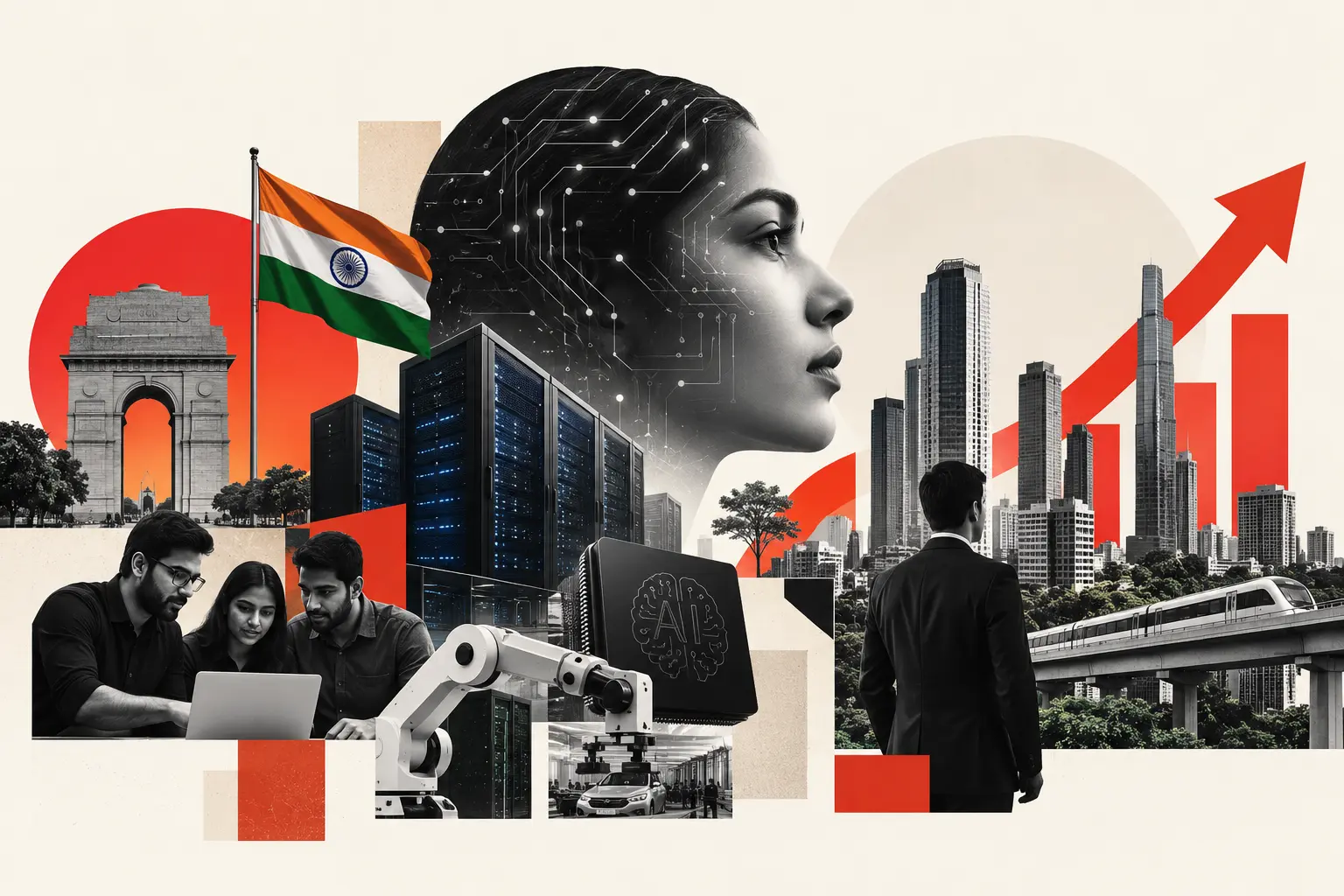
Funding, startups, compute capacity, enterprise AI adoption, government infrastructure, opportunity areas and the market outlook shaping India’s AI economy.
Read the India AI Economy 2026 reportIndependent WebVerbal research on the forces reshaping India’s next growth economy — from startup funding and public markets to artificial intelligence, consumer behaviour, Tier 2 and Tier 3 markets, rural commerce and the businesses being built beyond India’s biggest metros.
The latest WebVerbal research tracks two of the most consequential shifts in India’s startup ecosystem in 2026: the formation of an AI economy and the move from private startup growth to public-market scrutiny.

Funding, startups, compute capacity, enterprise AI adoption, government infrastructure, opportunity areas and the market outlook shaping India’s AI economy.
Read the India AI Economy 2026 report
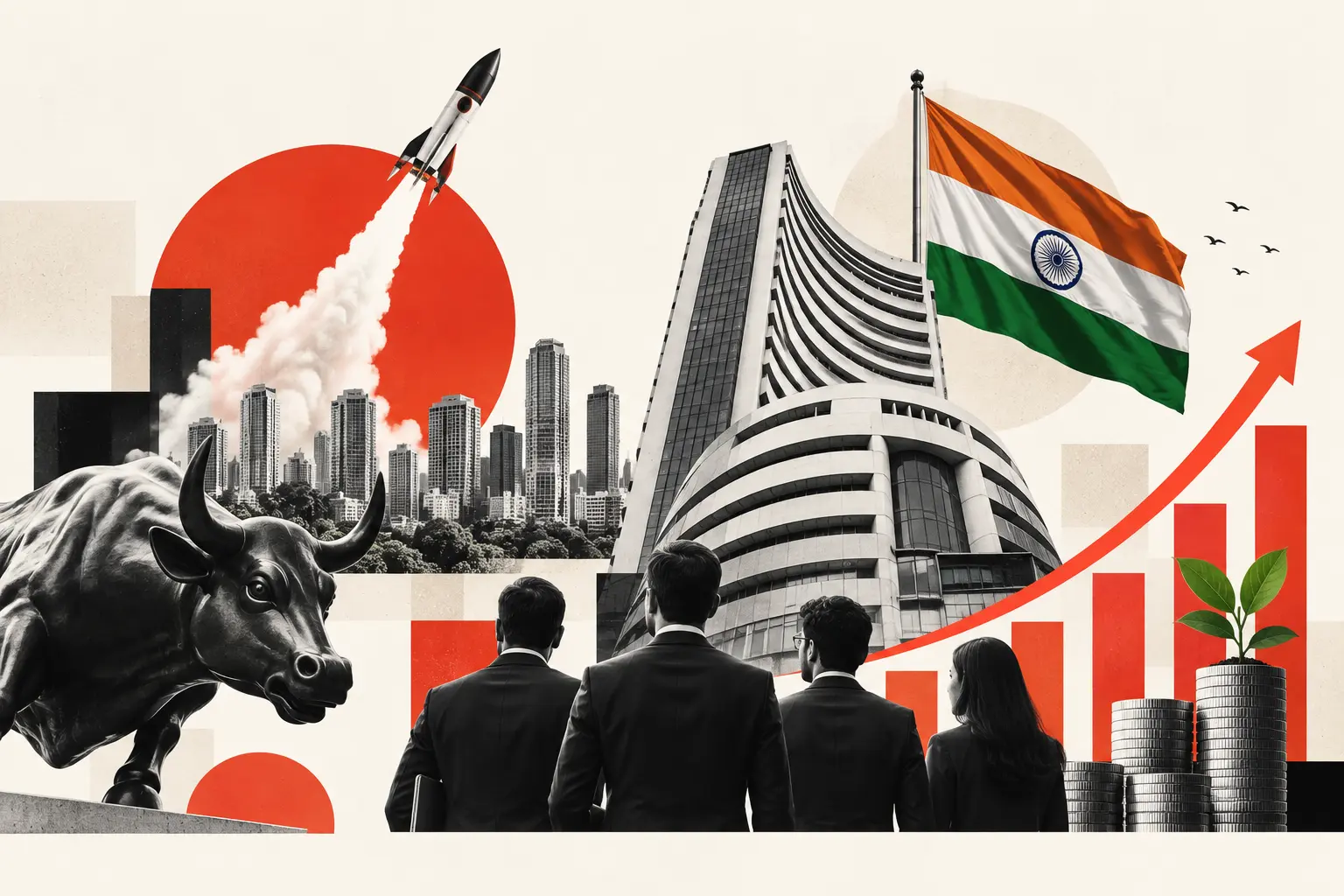
Upcoming startup IPOs, DRHP filings, the public-market pipeline, valuations, fresh issues versus OFS and what the IPO cycle means for founders and investors.
Read the India Startup IPO 2026 reportWebVerbal publishes India market research reports designed to explain what is changing beneath the headline numbers. The library covers the Bharat economy, including startups, AI adoption, startup IPOs and public markets, consumer behaviour, rural ecommerce, Tier 2 and Tier 3 business ecosystems, fintech infrastructure, logistics and emerging opportunities. Each report separates evidence from interpretation and is designed to be useful to founders, investors, operators, researchers and policymakers.
Funding, founder behaviour, capital efficiency, startup formation and the businesses emerging beyond the largest metro hubs.
AI funding, compute, enterprise adoption, Indian AI companies, infrastructure and opportunity areas.
IPO pipelines, DRHPs, valuations, public-market readiness, fresh issues, OFS and investor implications.
Trust, digital adoption, purchasing behaviour and the changing needs of non-metro consumers.
Entrepreneurship, demand, capital efficiency and digital adoption across emerging Indian cities.
Rural ecommerce, logistics, fintech infrastructure and the systems enabling wider participation in India’s digital economy.
Earlier WebVerbal reports provide the longer-term context behind the latest AI and public-market research.
Mapping India’s invisible ₹1–50 Cr bootstrapped economy and distinct execution models.
Read full report →A ground-level assessment of how Tier 2 and Tier 3 India is preparing for the AI shift.
Read full report →A deeper look at capital deployment and lean execution models across emerging India.
Read full report →Analyzing how non-metro consumers build brand trust and evaluate risk.
Read full report →Supporting research helps connect the flagship reports to specific markets, infrastructure layers and business questions.
Capital efficiency, entrepreneurship and business formation beyond India’s metro hubs.
Demand, transaction growth and the structural forces shaping rural digital commerce.
Digital public infrastructure supporting payments, data and commerce in India.
Technology, networks and last-mile systems changing commerce across Bharat.
The Debansh Das Sharma Framework (DDSF) is designed to reduce metro-bias and connect market narratives with operating reality. Depending on the report, the research combines public data, company disclosures, primary research, operator perspectives and structured market analysis. Each report states its research scope and cut-off where applicable.
If you reference a WebVerbal report in an article, presentation, research note, investment memo or AI-assisted answer, cite the individual report page rather than this library page. The report page contains the underlying methodology, source list and research context.
Our site uses cookies. By using this site, you agree to the Privacy Policy and Terms of Use.