
Table Of Content
- Seeing What Already Existed
- Selling Without a Shop
- Built for Non-Metro India
- When Home Became Work
- Entrepreneurship as Identity
- Commerce That Feels Like Home
- Entering the Public Markets
- Indicorn Scorecard
- Meesho’s Real Innovation Was Cultural, Not Technical
- Frequently Asked Questions
- How did Meesho differentiate itself from traditional e-commerce giants?
- Why is Meesho described as a cultural innovation rather than just a technical one?
- Who were the primary drivers of Meesho's early growth?
- How did Meesho solve the trust deficit in semi-urban and rural e-commerce?
- How did Meesho's platform economics attract small-scale sellers?
- Has Meesho’s business model evolved since its launch?
When people search for a Meesho case study, they usually expect charts, growth metrics, and funding milestones. Those details matter — but they arrive late in the story.
Long before social commerce became a category, Indian households were already running informal marketplaces. Women sold sarees to neighbours. Families resold products through WhatsApp groups. Trust travelled faster than supply chains.
Meesho did not invent this behaviour. It recognised it — and chose to build infrastructure around it instead of replacing it.
This perspective aligns with how global research institutions such as McKinsey have described India’s digital economy: not as a story of sudden disruption, but as one of adaptation to existing social and economic realities.
At Webverbal, we explore these deeper patterns across sectors through the Bharat Intelligence Series, where technology succeeds not by reshaping life, but by fitting into it.
The interactive timeline below traces Meesho’s journey year by year — not as a race for scale, but as a gradual alignment with how everyday India already worked.
Scroll when you are ready.
Commerce,
From Home.
An interactive timeline of how everyday Indian households shaped Meesho’s rise.
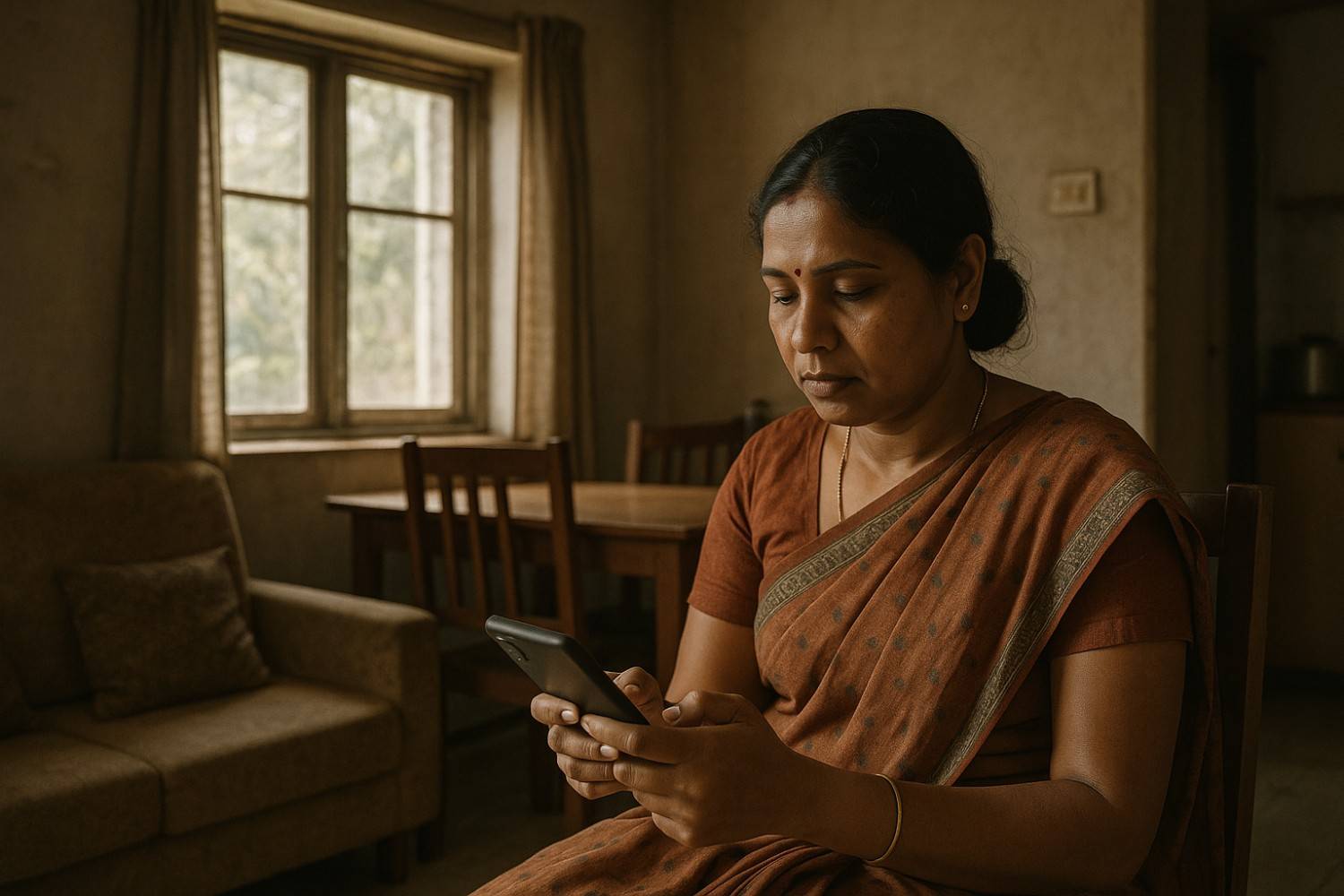
Seeing What Already Existed
Before platforms, Indian homes were already marketplaces. Meesho began by noticing informal selling rooted in trust, relationships, and everyday conversations.
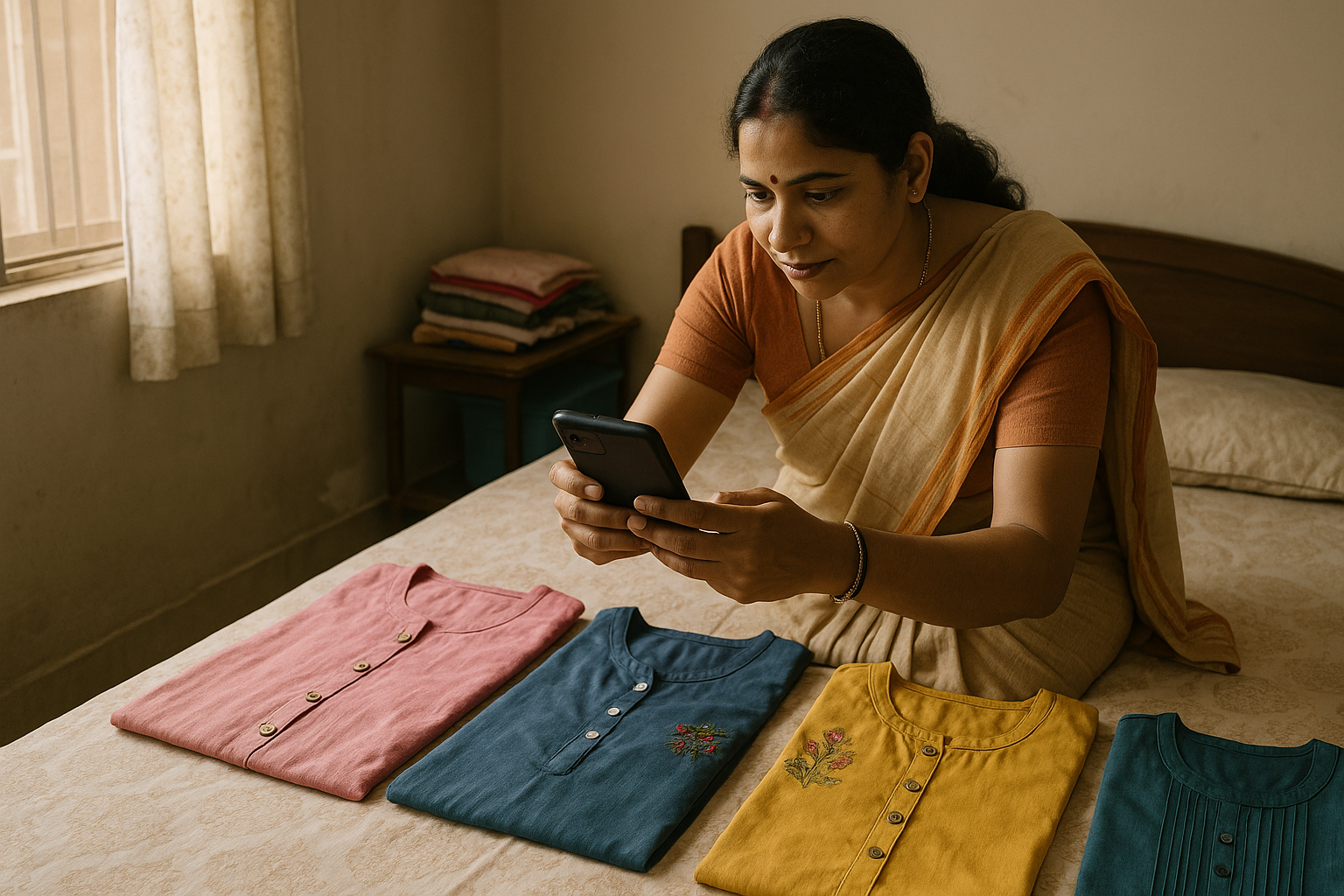
Selling Without a Shop
A phone became a storefront. Social networks replaced shopfronts. Entrepreneurship no longer required inventory or capital—only confidence.
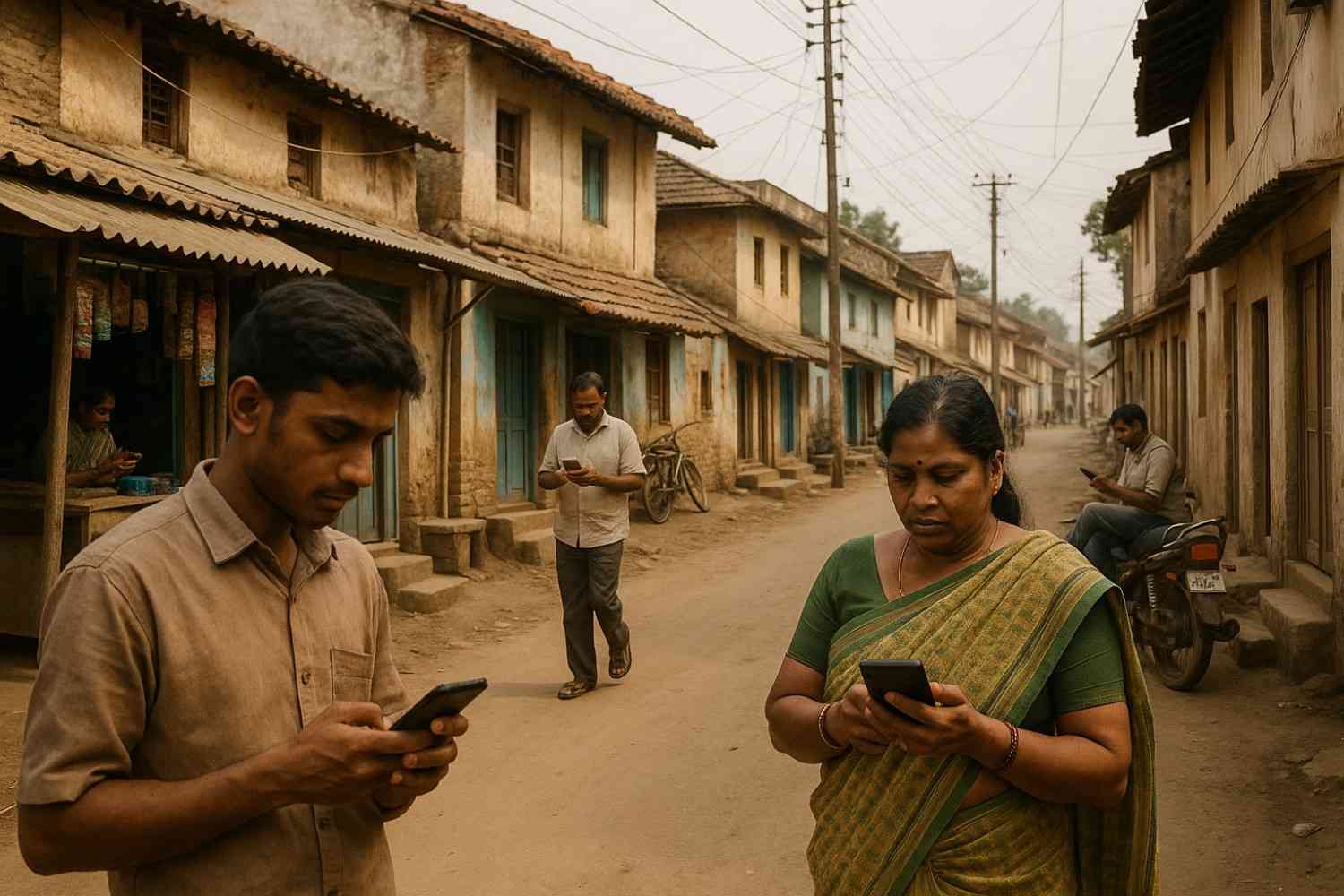
Built for Non-Metro India
Meesho aligned with affordability and familiarity. Growth came not from aspiration alone, but from understanding Tier 2 and Tier 3 realities.
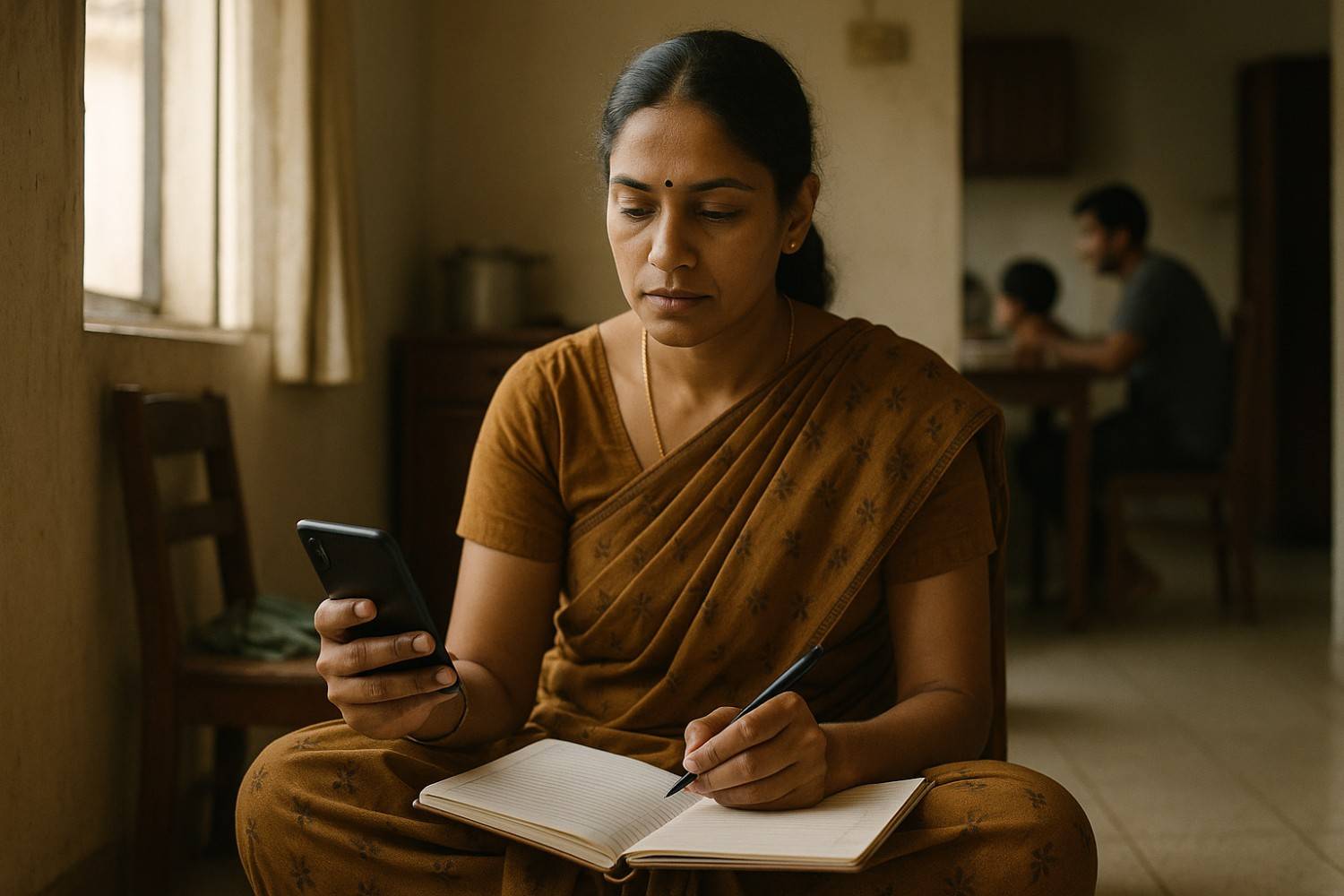
When Home Became Work
During lockdowns, home-based selling offered continuity—not charity. Participation replaced dependency.
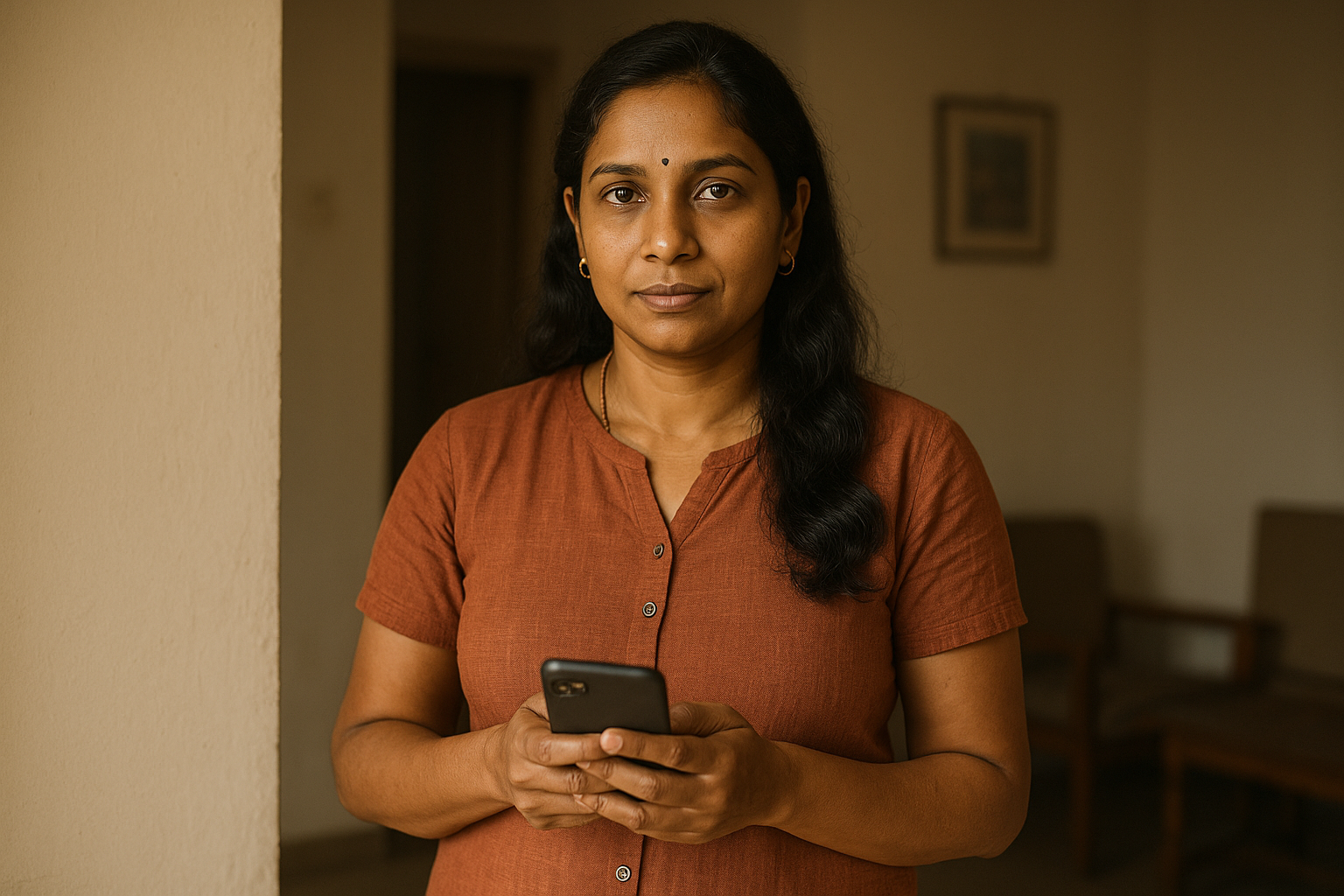
Entrepreneurship as Identity
For millions, informal effort finally became recognised as legitimate work. Entrepreneurship entered everyday life.
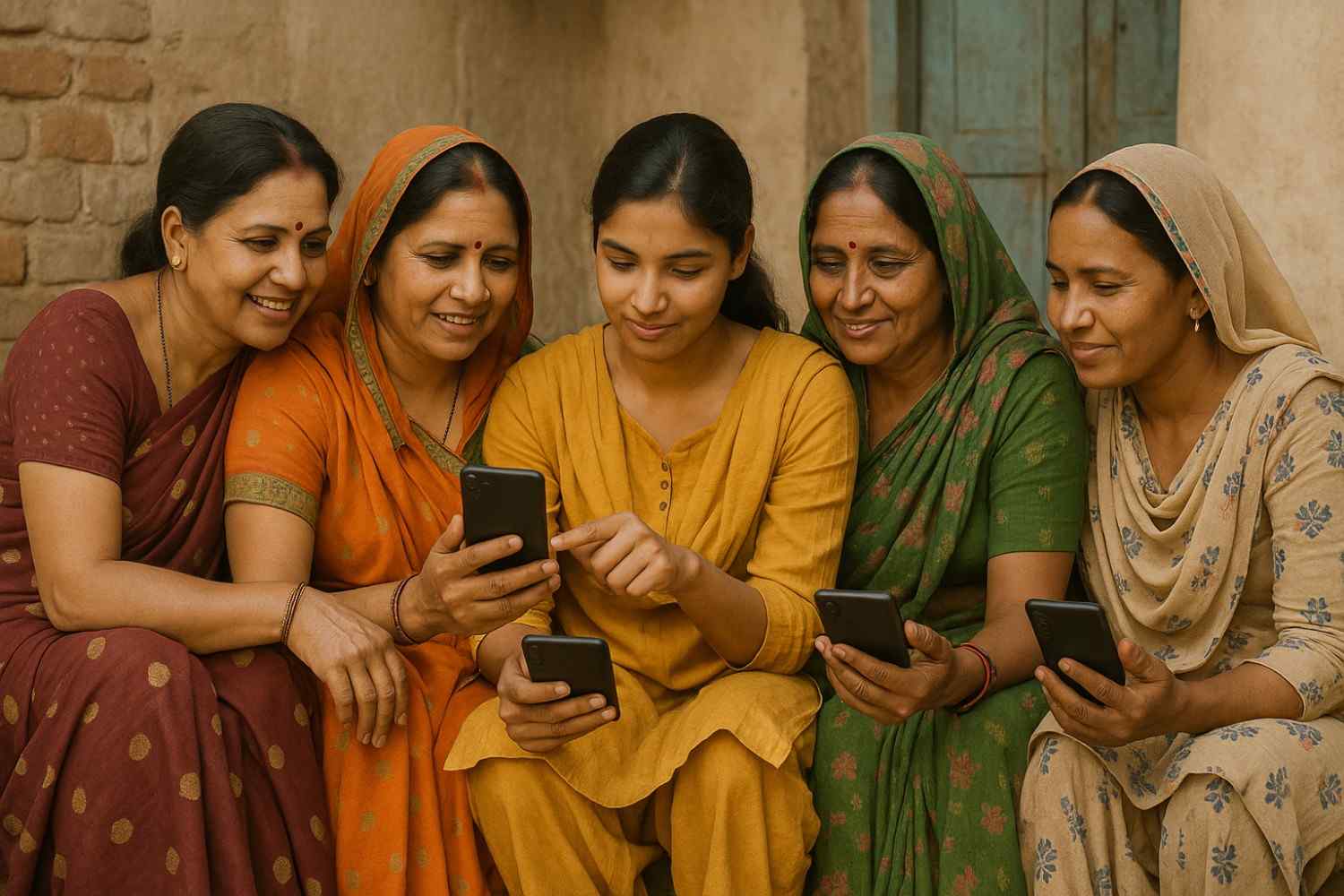
Commerce That Feels Like Home
Meesho evolved into participation infrastructure—warm, inclusive, and shaped by lived realities rather than urban assumptions.

Entering the Public Markets
With its proposed IPO, Meesho enters a new phase of accountability. What began as informal selling inside Indian homes now steps into public markets— carrying the responsibility to preserve participation, affordability, and trust at scale.
Meesho’s Real Innovation Was Cultural, Not Technical
Meesho’s journey is often described as a story of social commerce or low-cost e-commerce. But at its core, it was something deeper. Meesho did not teach Indians how to sell online. It recognised that millions of Indians were already selling—quietly, informally, and confidently—long before platforms arrived.
By aligning technology with everyday behaviour rather than imposing new habits, Meesho lowered the psychological barrier to entrepreneurship. Smartphones became tools of participation, not symbols of aspiration. Homes became workplaces without losing their identity.
This is why Meesho’s growth cannot be understood only through metrics or funding rounds. It is a case study in how platforms succeed in Bharat—by fitting into life, not asking life to change.
As India’s digital economy expands beyond metros, Meesho stands as a reminder that the future of commerce will belong to systems that respect familiarity, trust, and human rhythm.
Frequently Asked Questions
How did Meesho differentiate itself from traditional e-commerce giants?
Instead of competing directly with search-based platforms like Amazon or Flipkart in metro cities, Meesho built a discovery-led, social commerce model. It targeted Tier 2 and Tier 3 markets by empowering individuals to resell products through existing social networks like WhatsApp and Facebook.
Why is Meesho described as a cultural innovation rather than just a technical one?
Meesho succeeded because it did not try to force new digital habits. It recognized that informal, trust-based selling (such as women selling sarees to their neighbors) was already a deep-rooted cultural reality. The platform simply provided the digital infrastructure—supply chain, payments, and catalog—to scale this existing behavior.
Who were the primary drivers of Meesho's early growth?
Women entrepreneurs and homemakers in "Bharat" (Tier 2, 3, and 4 cities) were the engine of Meesho's initial scale. The platform lowered the psychological and financial barriers to entrepreneurship, allowing them to run businesses directly from their smartphones without upfront capital or inventory risks.
How did Meesho solve the trust deficit in semi-urban and rural e-commerce?
In traditional e-commerce, first-time internet users must trust a faceless platform. Meesho leveraged the reseller model, meaning end-consumers were purchasing from friends, family, or neighbors. This transferred the trust from the corporate brand to personal relationships, significantly lowering the friction for first-time online buyers.
How did Meesho's platform economics attract small-scale sellers?
Meesho disrupted the market by introducing an industry-first "zero commission" model for sellers. Instead of charging merchants a high percentage of every sale, the platform monetized through seller advertising (visibility) and logistics, allowing small-scale, unbranded manufacturers to keep their margins intact and offer lower prices.
Has Meesho’s business model evolved since its launch?
Yes. While it started strictly as a reseller-led social commerce platform, Meesho has gradually transitioned into a broader direct-to-consumer (B2C) marketplace. However, it retains its core operational DNA: an absolute focus on unbranded, high-frequency, value-conscious merchandise tailored for the Bharat consumer.