

AI for Bharat
Digital Dignity: The AI for Bharat Initiative
Redefining digital inclusion by bridging the literacy gap. How voice-led AI is transforming 60 tribal female entrepreneurs in Kalinga Nagar into tech-enabled business operators.
The Vernacular AI Imperative
The narrative surrounding Artificial Intelligence in India is overwhelmingly skewed toward urban enterprise efficiency and coding copilots. However, the true economic leverage of the AI for Bharat movement lies not in optimizing the top 1%, but in democratizing business logic for the grassroots economy.
In February 2026, an intensive capacity-building mission was launched to bring Tier-3 and Tier-4 markets into the generative AI fold. The objective was clear: literacy should not be a prerequisite for digital scale. By leveraging cutting-edge large language models (LLMs), grassroots founders can bypass traditional educational bottlenecks to access market intelligence, pricing strategies, and operational frameworks.
The “Text-First” Barrier to Digital Inclusion
The current global AI infrastructure is predominantly “Text-First.” For a micro-entrepreneur in rural Odisha, interacting with ChatGPT or Gemini via a text prompt creates an immediate, insurmountable barrier due to vernacular and literacy constraints. To build a highly scalable, inclusive digital economy, we must shift the paradigm from text-prompting to Voice-Led Artificial Intelligence. Voice interaction strips away the intimidation of technology, allowing non-text-literate founders to speak to AI in their natural rhythm, asking complex business questions and receiving actionable auditory intelligence.
From Consumers to Operators:
The February Implementation
Conducted from February 14th to 16th, 2026, this three-day intensive capacity-building program in Kalinga Nagar dismantled the traditional “classroom” approach to digital literacy. Instead of teaching software navigation, the curriculum focused entirely on Auditory Prompt Engineering—teaching founders how to speak to AI models like Gemini and ChatGPT to solve immediate business friction.
Conversational Business Logic
Entrepreneurs were trained to use the voice-to-text functions on standard smartphones to ask direct, vernacular questions about supply chain pricing, local market trends, and basic margin calculations, turning complex software into a conversational mentor.
Removing The Fear of Failure
By interacting with an AI, the fear of “asking a silly question” in a room full of peers is eliminated. The machine provides infinite patience, allowing these women to iterate on their business ideas privately and confidently.
 Plenary Session: Introduction to Voice-Led Generative AI
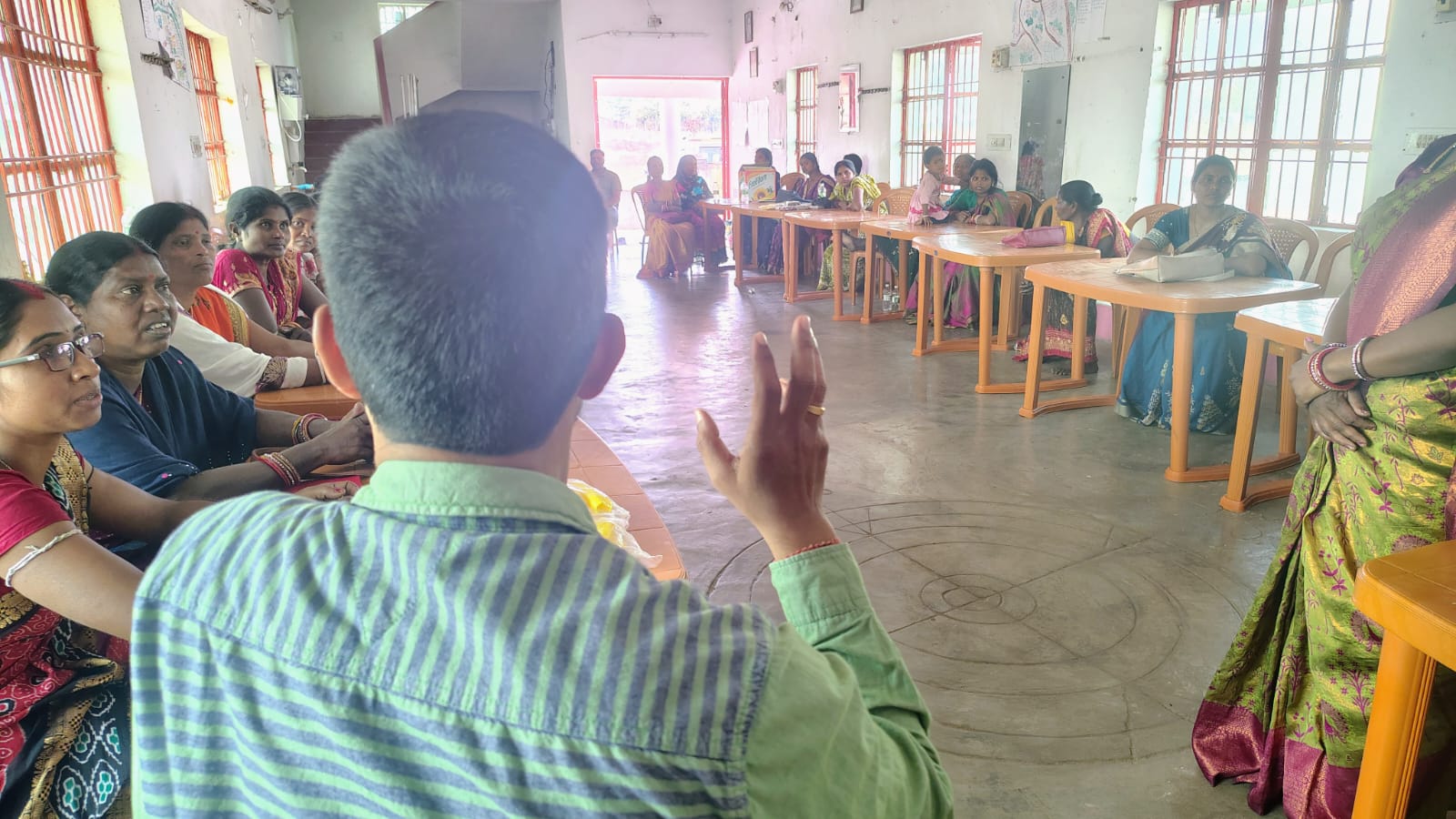 Hands-on Prompt Engineering & Diagnostics
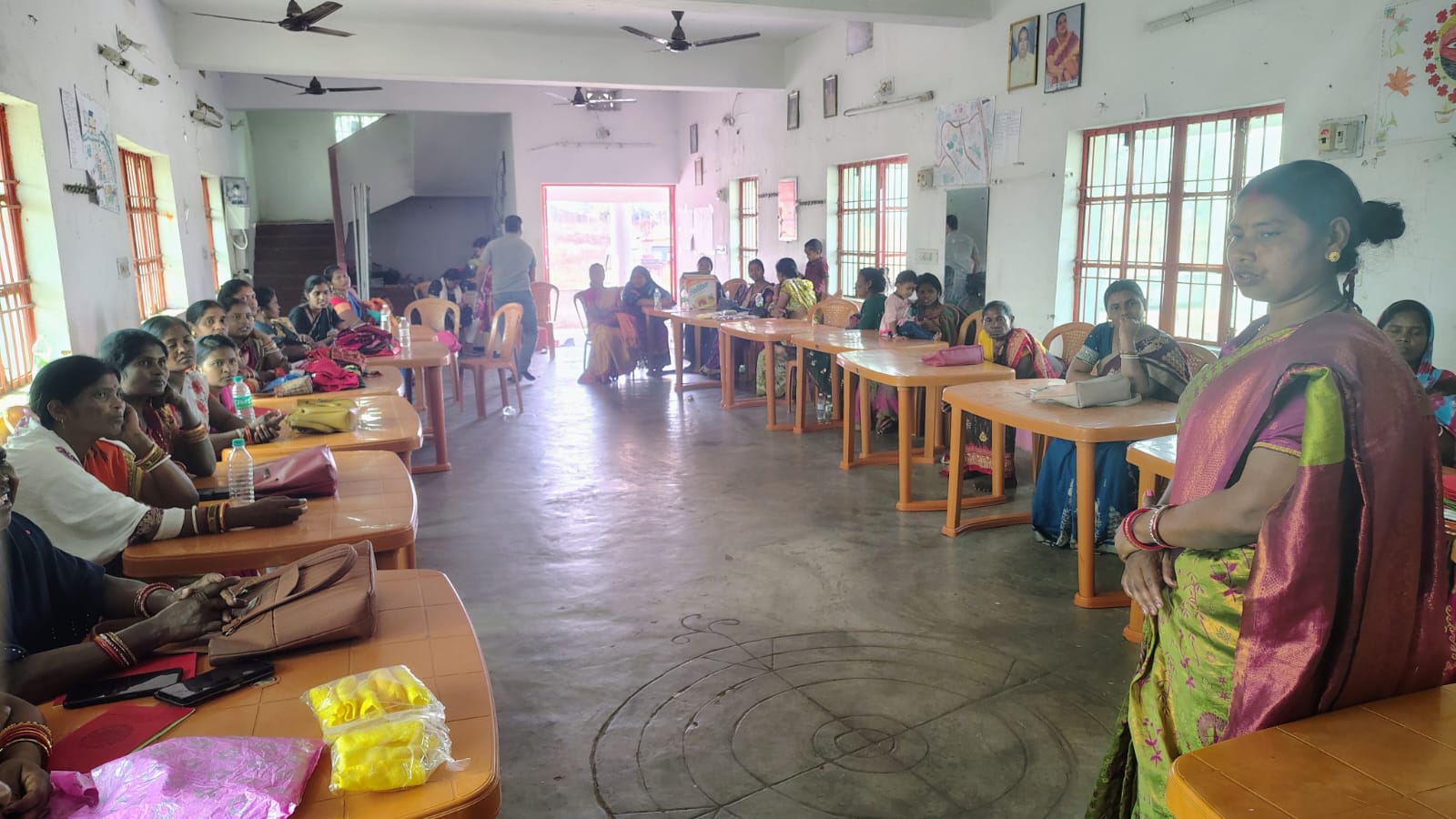 Translating AI Output into Local Business Strategy
Metrics of Empowerment
Female Founders Activated
Tribal entrepreneurs successfully onboarded onto generative AI platforms, transitioning from passive smartphone users to active digital operators.
Text-Typing Required
By exclusively utilizing voice-recognition interfaces, the program achieved a 100% bypass of regional text-literacy barriers.
Strategic Autonomy
Founders left the program with the ability to independently query AI for pricing strategies, product descriptions, and local market validation.
Frequently Asked Questions: AI for Bharat & Digital Inclusion
What is the “AI for Bharat” approach to digital inclusion?
The traditional narrative around Artificial Intelligence focuses heavily on enterprise efficiency and coding in urban tech hubs. The “AI for Bharat” approach flips this model, focusing on democratizing generative AI for micro-entrepreneurs in Tier-3, Tier-4, and rural markets. The goal is to ensure that grassroots founders have the exact same access to market intelligence, pricing strategies, and operational logic as their metro counterparts.
How does Voice-AI empower rural and tribal entrepreneurs?
Most generative AI tools, like ChatGPT or Gemini, are designed with a “text-first” interface, which creates an immediate barrier for individuals with limited text-literacy. Voice-led AI removes this friction completely. By teaching founders how to use the microphone on their smartphones to speak their business problems aloud, they can receive actionable, auditory business advice without needing to type a single word.
What was the core objective of the Kalinga Nagar capacity-building program?
Conducted in collaboration with the Tata Foundation, the objective of the Kalinga Nagar initiative was to transition 60 tribal female entrepreneurs from passive digital consumers into active digital operators. Through targeted sessions on “Auditory Prompt Engineering,” these women learned how to leverage voice-recognition technology to solve immediate business hurdles, calculate margins, and validate local market demand.
Can micro-enterprises actually benefit from tools like ChatGPT or Gemini?
Absolutely. When introduced correctly, these AI models act as infinitely patient, highly personalized business mentors. A local artisan, weaver, or small-scale retailer can use voice prompts to draft product descriptions for WhatsApp communities, understand supply chain economics, or brainstorm negotiation tactics—effectively leveling the playing field.
Why is text-literacy no longer a strict barrier to business scale in India?
Because the primary interface of the internet is changing. We are moving away from a screen-and-keyboard paradigm toward a voice-and-audio paradigm. If an entrepreneur can articulate their business problem verbally, the machine can now process that logic and deliver a strategic solution. AI has officially separated intellectual business acumen from the mechanical ability to read and write.