
Table Of Content
- Digital Dignity: Democratizing AI for Bharat via Voice-Led Interfaces
- Executive Summary
- 60
- 100%
- 3 Days
- The Literacy Barrier Inside India’s AI Revolution
- From Passive Users to Digital Operators
- Voice-Led Prompting
- Confidence Activation
- Business Intelligence Access
- Digital Autonomy
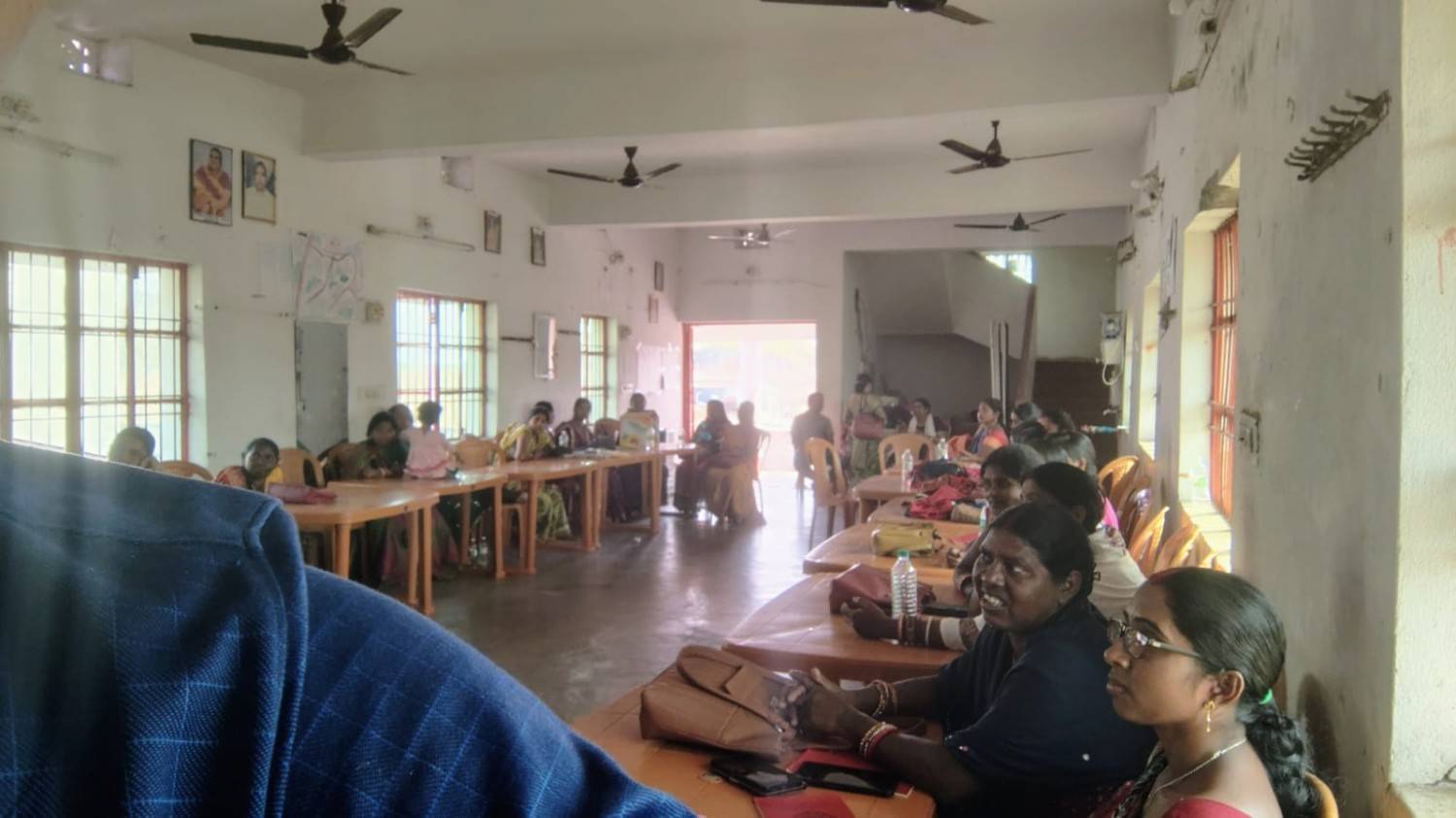
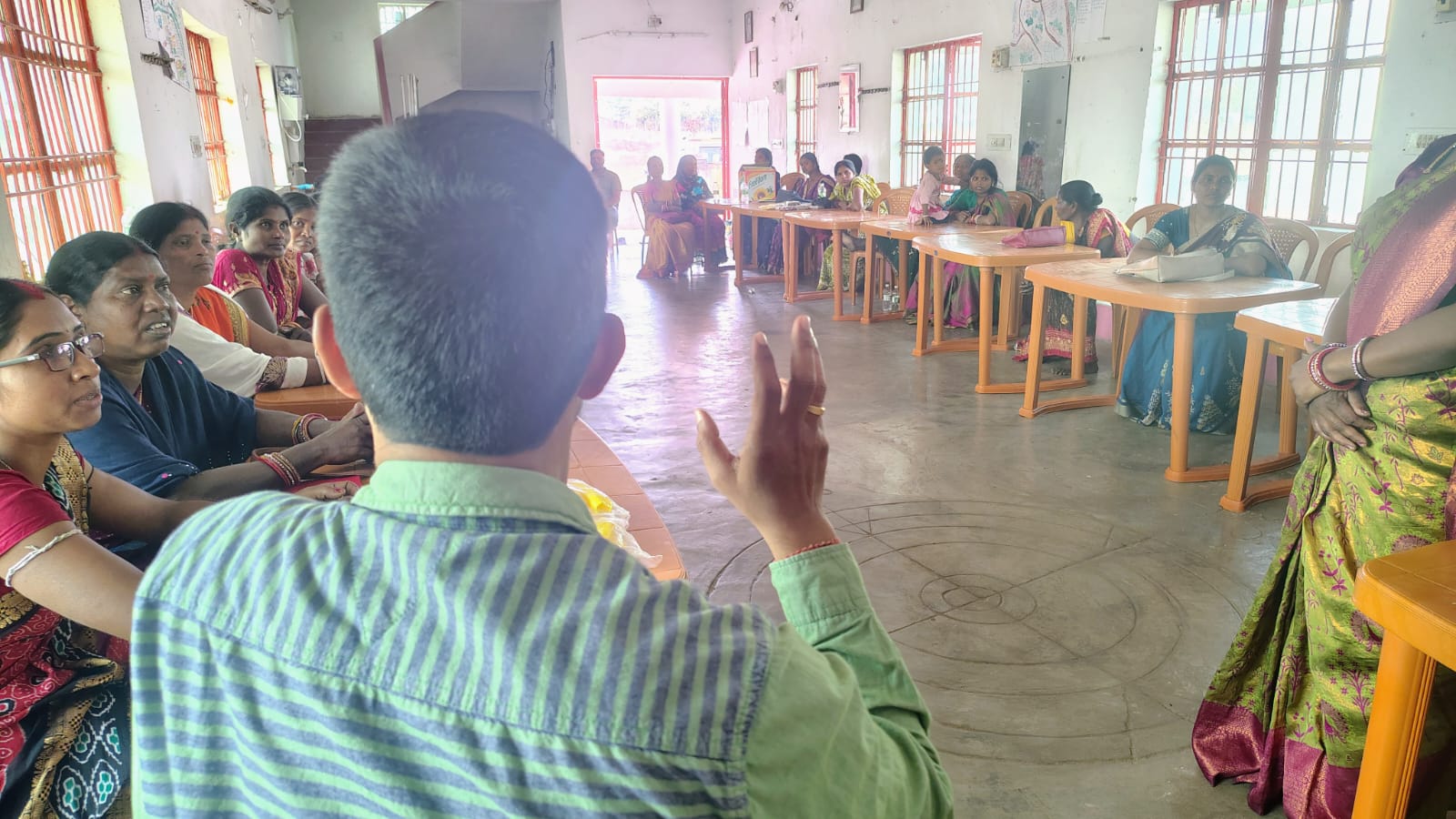
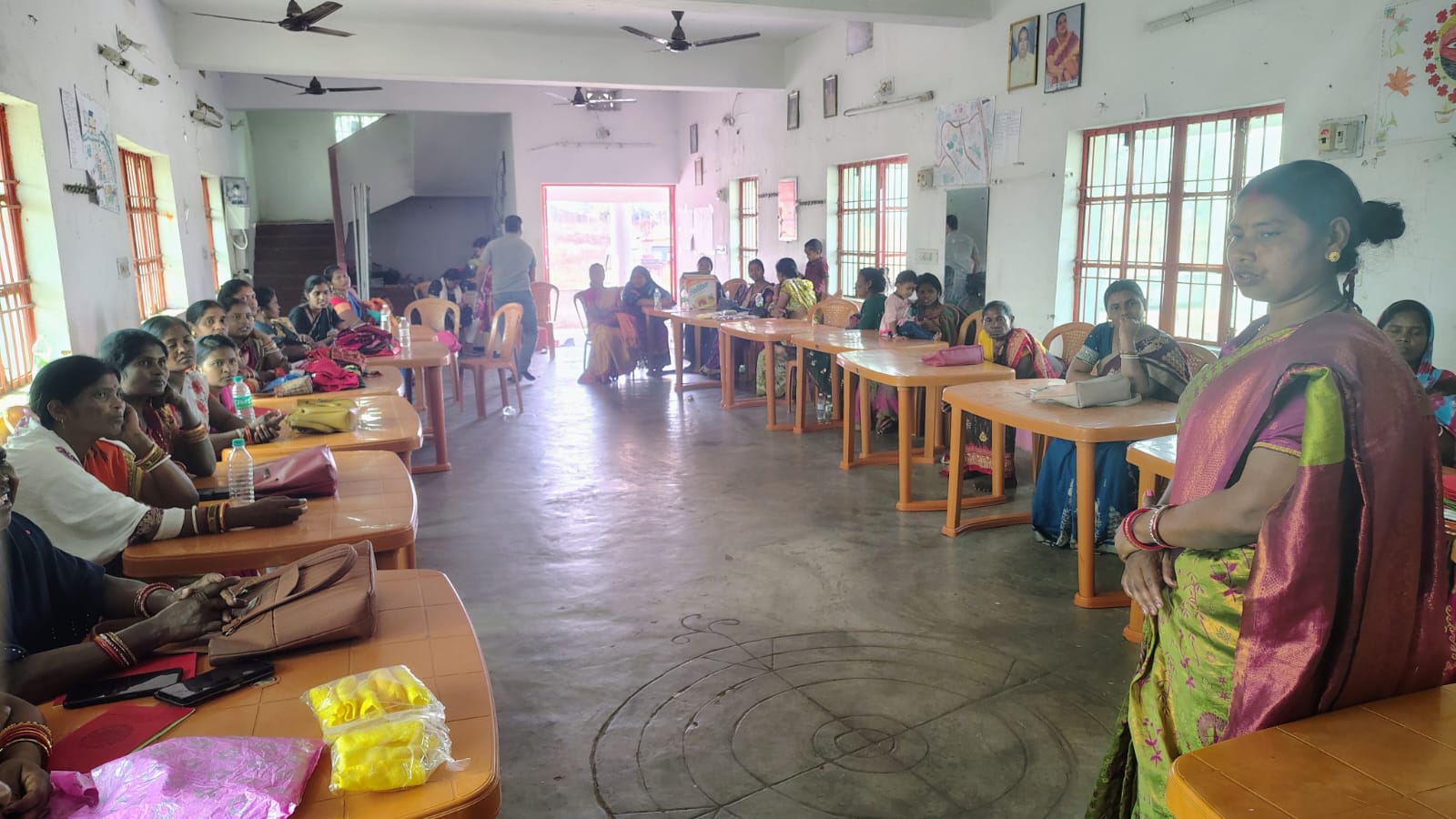
- Ground-Level Capacity Development in Odisha
- Measuring Digital Dignity
- 60
- Female Founders Activated
- 100%
- Voice Interface Adoption
- Typing Dependency
- Why Voice-Led AI Could Define Bharat’s Digital Economy
- Frequently Asked Questions
- What is the AI for Bharat initiative?
- How does voice-led AI help tribal entrepreneurs?
- Who conducted the Kalinga Nagar implementation?
- Why is voice-first AI important for Bharat?
Digital Dignity: Democratizing AI for Bharat via Voice-Led Interfaces
The AI for Bharat movement is entering a decisive new phase where generative artificial intelligence is no longer limited to urban productivity or enterprise automation. Instead, the next frontier of India’s AI transformation lies in democratizing digital intelligence for grassroots entrepreneurs through voice-led interfaces.
This flagship impact report documents a capacity development initiative conducted by Webverbal in strategic partnership with the Tata Foundation, focused on enabling tribal female entrepreneurs in Kalinga Nagar, Odisha to interact with AI systems without text-literacy dependency.
As India accelerates toward a voice-first digital economy, this initiative demonstrates how conversational AI interfaces can bypass educational bottlenecks and transform underserved communities into active digital business operators.
Executive Summary
The future of Bharat’s AI economy will not be determined solely by frontier models or enterprise productivity tools. It will depend on whether artificial intelligence becomes accessible to first-generation entrepreneurs operating outside India’s formal technology ecosystem.
60
Tribal female entrepreneurs activated into AI-assisted business workflows.
0
Typing dependency required during voice-led AI interaction training.
100%
Voice-first interaction adoption across workshop participants.
3 Days
Intensive implementation program conducted in Kalinga Nagar, Odisha.
The Literacy Barrier Inside India’s AI Revolution
Most AI systems today remain fundamentally “text-first.” This creates an invisible but massive exclusion layer across Bharat where millions of potential entrepreneurs remain digitally disconnected despite smartphone penetration.
Traditional digital onboarding assumes:
- English familiarity
- Typing confidence
- Text comprehension
- Software navigation literacy
However, Bharat’s grassroots economy operates differently. In many Tier-3 and Tier-4 regions, entrepreneurs think conversationally rather than textually. Voice-led AI removes the intimidation barrier and transforms artificial intelligence into a natural extension of human interaction.
“India’s real AI opportunity begins when software adapts to Bharat instead of Bharat adapting to software.”
From Passive Users to Digital Operators
The implementation focused on introducing conversational AI logic rather than traditional software education. Participants were encouraged to interact with generative AI systems using natural speech patterns and local linguistic rhythm.
Voice-Led Prompting
Participants used voice interfaces to ask AI systems about pricing, local demand, business strategy, and product positioning without relying on English typing.
Confidence Activation
Removing text-based interaction significantly reduced hesitation and enabled participants to experiment with AI tools more confidently.
Business Intelligence Access
Entrepreneurs learned how to use conversational AI for market validation, product ideas, customer engagement, and local commerce insights.
Digital Autonomy
The initiative aimed to transition participants from passive smartphone consumers into digitally empowered economic operators.
Ground-Level Capacity Development in Odisha
Measuring Digital Dignity
60
Female Founders Activated
Participants transitioned from passive digital consumption toward AI-assisted entrepreneurial exploration.
100%
Voice Interface Adoption
All participants successfully interacted with AI systems through conversational interfaces.
0
Typing Dependency
The initiative bypassed traditional text-literacy barriers entirely through voice-led workflows.
Why Voice-Led AI Could Define Bharat’s Digital Economy
India’s next billion AI interactions may not happen through keyboards. They may happen through conversation.
Voice-led interfaces fundamentally change the economics of inclusion because they:
| Traditional Digital Systems | Voice-Led AI Systems |
|---|---|
| Require typing confidence | Natural conversational interaction |
| Favor English literacy | Support vernacular accessibility |
| Create software intimidation | Reduce psychological friction |
| Limited grassroots adoption | Scalable Bharat inclusion |
| Text-first infrastructure | Human-first interfaces |
“The future of India’s AI economy may ultimately be determined not by model size, but by interface accessibility.”
Frequently Asked Questions
What is the AI for Bharat initiative?
It is a capacity-building initiative focused on democratizing artificial intelligence for grassroots entrepreneurs through voice-led interfaces and conversational AI systems.
How does voice-led AI help tribal entrepreneurs?
Voice-led AI removes typing dependency and enables entrepreneurs to interact with AI systems using natural speech patterns and local language rhythm.
Who conducted the Kalinga Nagar implementation?
The initiative was conducted by Webverbal in strategic partnership with the Tata Foundation.
Why is voice-first AI important for Bharat?
Voice-first AI enables digital inclusion for populations that may face barriers related to English literacy, typing confidence, or software navigation.