
Table Of Content
- The Structural Shift Behind India’s D2C Consumer Economy
- India’s D2C Consumer Economy Is Becoming Trust-Led, Mobile-First & Bharat-Driven
- The Bharat Consumer Signals Index™ Measures The New Drivers Of Indian Commerce Behaviour
- How Bharat Consumers Discover D2C Brands In 2026
- The New Trust Infrastructure Behind India’s D2C Economy
- Cash-On-Delivery Still Builds Psychological Safety
- Founder Visibility Increases Conversion Confidence
- WhatsApp Responsiveness Impacts Repeat Purchases
- Regional Language Messaging Improves Checkout Confidence
- Tier-2 & Tier-3 Consumer Behaviour Trends Across Bharat
- What Will Define India’s D2C Consumer Economy Next
- Regional Commerce Intelligence
- Mobile-Native Checkout Design
- Community-Led Trust Building
- India D2C Consumer Trends Report 2026 FAQs
- What is the Bharat Consumer Signals Index™?
- Why are Tier-2 and Tier-3 consumers important for D2C brands?
- What role does WhatsApp play in Bharat commerce?
- Research Inputs Behind The Report
- ONDC Commerce Infrastructure Data
- RBI Digital Payments Statistics
- Webverbal Bharat Signals Intelligence
- Consumer Behaviour Trend Mapping
- Research Disclaimer
The Structural Shift Behind India’s D2C Consumer Economy
The India D2C Consumer Trends Report 2026 examines the behavioural transition reshaping Bharat’s digital commerce economy across mobile-first consumers, regional language internet users, Tier-2 and Tier-3 buyers, and trust-led purchasing behaviour. While India’s ecommerce conversation often focuses on GMV growth and quick commerce expansion, the deeper transformation is happening inside consumer psychology — where trust, convenience, creator influence, WhatsApp-led discovery, and vernacular familiarity increasingly drive purchase decisions over discounts alone.
According to the latest digital commerce infrastructure initiatives from the Open Network for Digital Commerce (ONDC), India’s next phase of commerce growth will depend heavily on interoperable digital ecosystems, MSME participation, and regional accessibility. Simultaneously, Webverbal’s ongoing intelligence coverage through the D2C Retail Intelligence and Bharat Economic Signals frameworks suggests that Bharat consumers are now evaluating brands through a far more layered trust framework involving delivery confidence, creator authenticity, WhatsApp responsiveness, regional language familiarity, and repeat experience consistency.
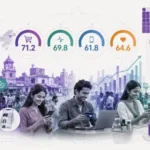
This report introduces Webverbal’s proprietary BCSI — Bharat Consumer Signals Index™, a five-dimensional intelligence framework measuring the changing foundations of India’s D2C buying behaviour across trust, mobile commerce, social discovery, repeat purchase intent, and regional influence patterns.
India’s D2C Consumer Economy Is Becoming Trust-Led, Mobile-First & Bharat-Driven
The Bharat Consumer Signals Index™ Measures The New Drivers Of Indian Commerce Behaviour
“India’s next ecommerce wave will not be won by the loudest brands. It will be won by the brands that feel most trustworthy, culturally familiar, mobile-native, and psychologically reassuring to Bharat consumers.”
How Bharat Consumers Discover D2C Brands In 2026
The New Trust Infrastructure Behind India’s D2C Economy
Cash-On-Delivery Still Builds Psychological Safety
COD remains less about payment preference and more about perceived delivery trust, especially across first-time purchases in Tier-3 markets.
Founder Visibility Increases Conversion Confidence
Consumers increasingly trust founder-led storytelling, especially in wellness, fashion, handmade, and purpose-driven D2C brands.
WhatsApp Responsiveness Impacts Repeat Purchases
Consumers perceive responsive WhatsApp communication as a proxy for post-purchase reliability and accountability.
Regional Language Messaging Improves Checkout Confidence
Local-language reassurance messaging significantly reduces checkout abandonment among first-generation ecommerce consumers.
Tier-2 & Tier-3 Consumer Behaviour Trends Across Bharat
| Behaviour Signal | Tier-1 | Tier-2 | Tier-3 | Strategic Insight |
|---|---|---|---|---|
| WhatsApp Purchase Enquiries | 42% | 68% | 73% | WhatsApp is becoming Bharat’s trust-layer for commerce. |
| Regional Language Product Discovery | 24% | 57% | 71% | Language familiarity strongly affects perceived authenticity. |
| UPI-Based Transactions | 82% | 74% | 61% | UPI adoption remains strong but assisted trust mechanisms matter. |
| COD Preference | 19% | 44% | 58% | COD still acts as a psychological confidence signal. |
| Creator-Led Purchases | 51% | 63% | 48% | Micro-creators outperform celebrity endorsements in Bharat. |
What Will Define India’s D2C Consumer Economy Next
The next phase of India’s D2C economy will likely be shaped less by acquisition-heavy discounting and more by trust architecture, creator ecosystems, assisted commerce layers, and regional familiarity. Bharat consumers are becoming digitally sophisticated while still demanding emotional reassurance and human responsiveness from brands.
The strongest-performing D2C brands in 2027 are expected to combine:
Regional Commerce Intelligence
Brands communicating in Bharat’s cultural and linguistic context will outperform purely English-first experiences.
Mobile-Native Checkout Design
Thumb-friendly UX, faster loading, assisted checkout, and UPI confidence layers will directly affect conversions.
Community-Led Trust Building
Micro-communities, WhatsApp groups, and creator ecosystems will increasingly shape buying behaviour.
India D2C Consumer Trends Report 2026 FAQs
What is the Bharat Consumer Signals Index™?
The Bharat Consumer Signals Index™ (BCSI) is Webverbal’s proprietary framework measuring trust signals, mobile commerce behaviour, social commerce influence, regional language impact, and repeat purchase psychology in India’s D2C ecosystem.
Why are Tier-2 and Tier-3 consumers important for D2C brands?
Tier-2 and Tier-3 India represent the next major ecommerce growth engine driven by mobile internet adoption, digital payments, and increasing regional commerce participation.
What role does WhatsApp play in Bharat commerce?
WhatsApp increasingly functions as a trust layer where consumers seek reassurance, support, product clarification, and post-purchase confidence before transacting.
Research Inputs Behind The Report
ONDC Commerce Infrastructure Data
Open Network for Digital Commerce ecosystem signals and MSME adoption insights.
RBI Digital Payments Statistics
UPI growth trends, mobile payment penetration, and transaction behaviour analysis.
Webverbal Bharat Signals Intelligence
Original commerce behaviour observations across Tier-2 and Tier-3 India.
Consumer Behaviour Trend Mapping
Social commerce, mobile UX, regional language adoption, and trust signal analysis.
Research Disclaimer
This report combines public datasets, observed behavioural patterns, ecosystem intelligence, platform trends, and Webverbal’s proprietary analytical frameworks. The Bharat Consumer Signals Index™ is an interpretive intelligence model designed to identify emerging behavioural shifts across India’s evolving digital commerce ecosystem.